From ranches and studios to a global metropolis
As your bus crosses boulevards and climbs hills, you’re tracing Los Angeles’ journey from Spanish ranchos to a 20th‑century film capital and a sprawling modern metropolis.
Table of Contents
Indigenous beginnings and the Rancho era
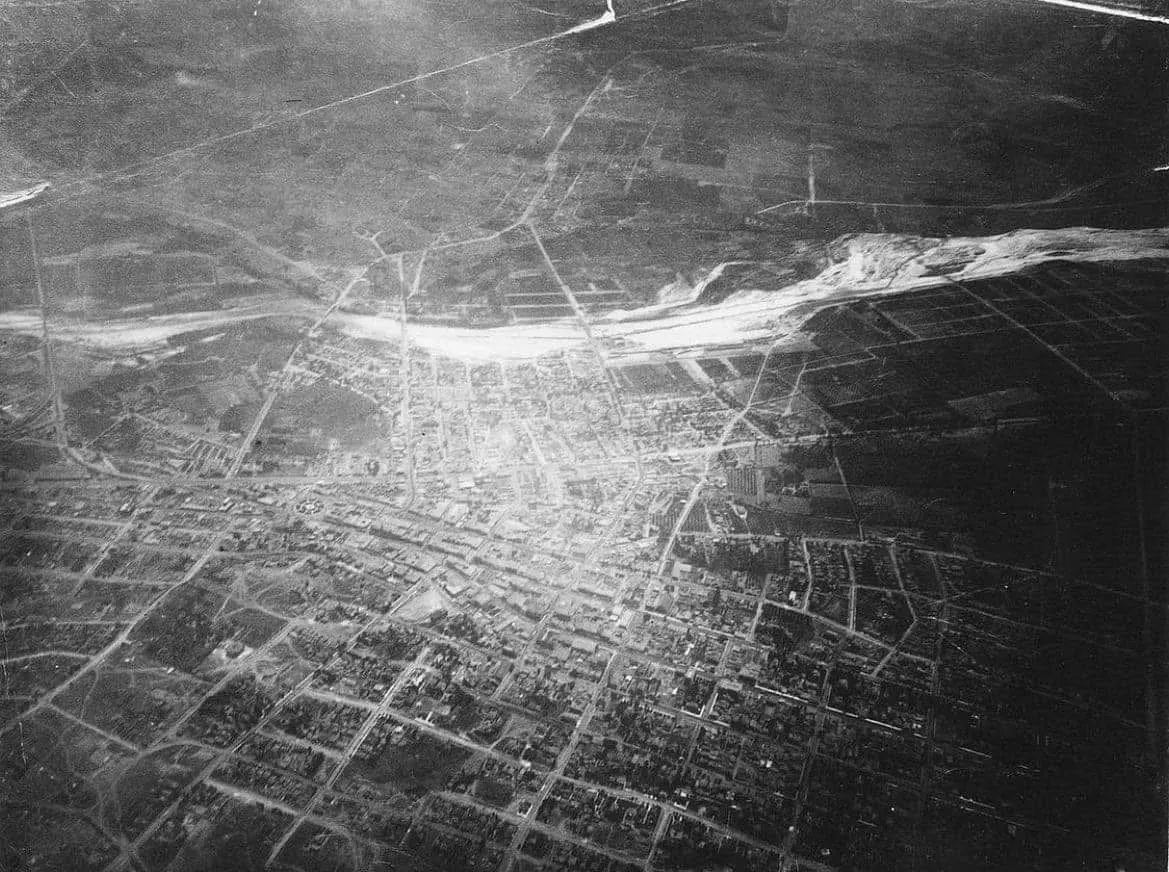
Long before Hollywood signs and palm‑lined boulevards, the region now called Los Angeles was home to the Tongva, Tataviam, and Chumash peoples. Their villages and stewardship of rivers, springs, and coastal resources anchored communities for thousands of years. Spanish colonization in the late 18th century introduced missions and ranchos—vast cattle ranches whose place names and land parcels still shape the map of the modern city.
The hop‑on hop‑off route travels through landscapes that were once grazing lands and citrus groves, where ranching, agriculture, and the arrival of the railroad in the 19th century set the stage for rapid growth. Each neighborhood carries traces of these early economies—old adobe foundations, citrus packing houses, and street names that hint at the era when the land was parceled and sold to visionaries, settlers, and later, film entrepreneurs.
Hollywood’s rise and the studio system
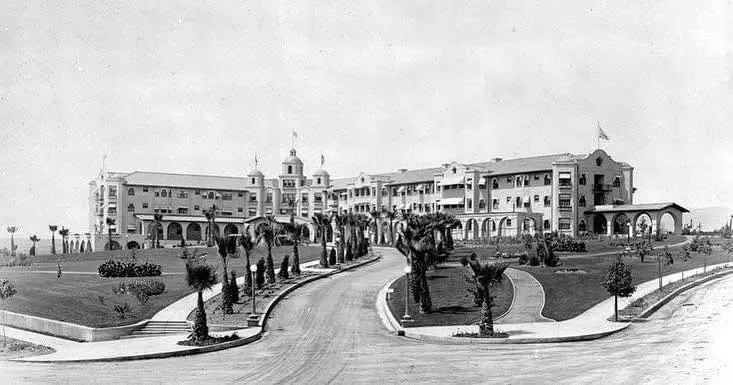
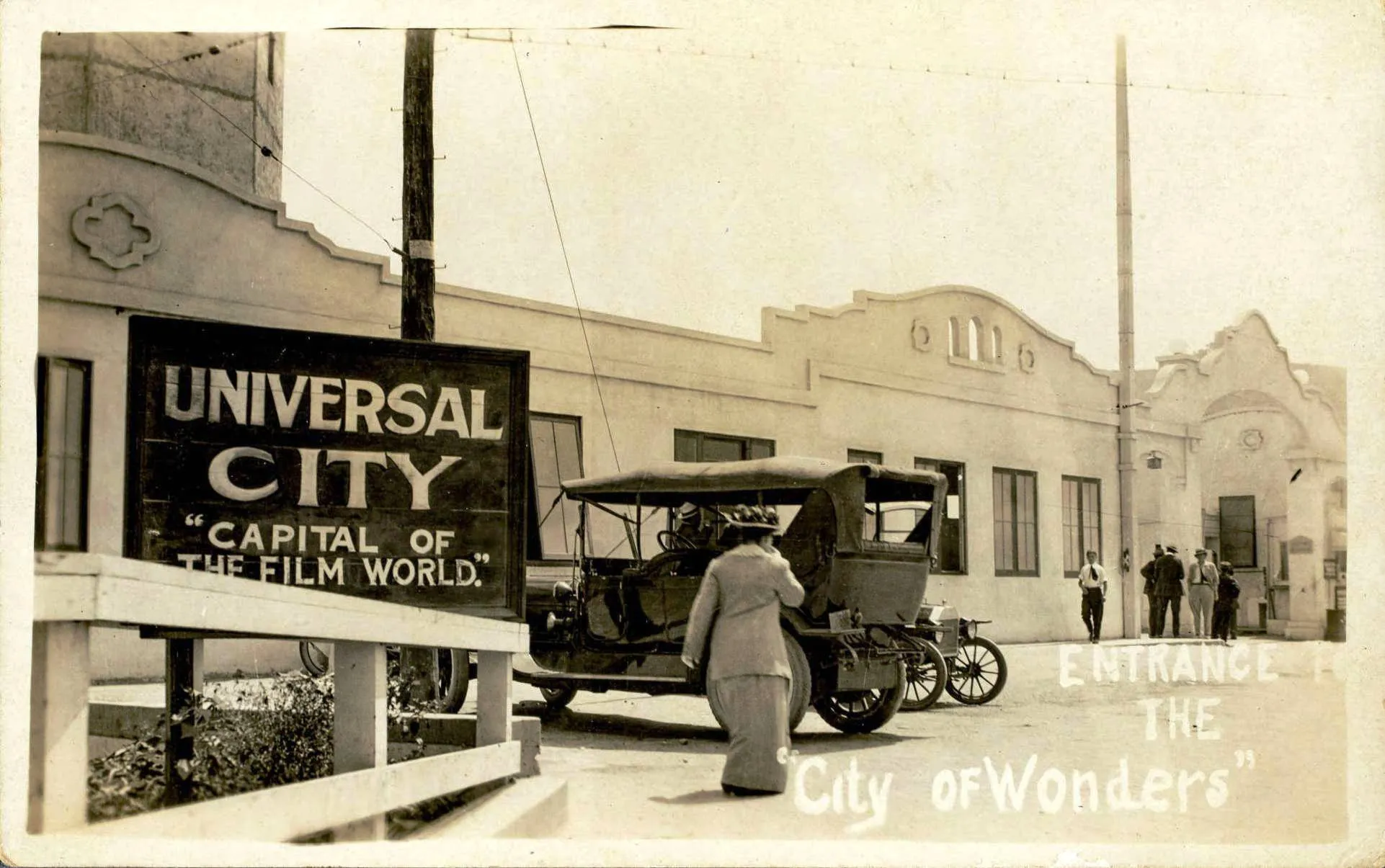
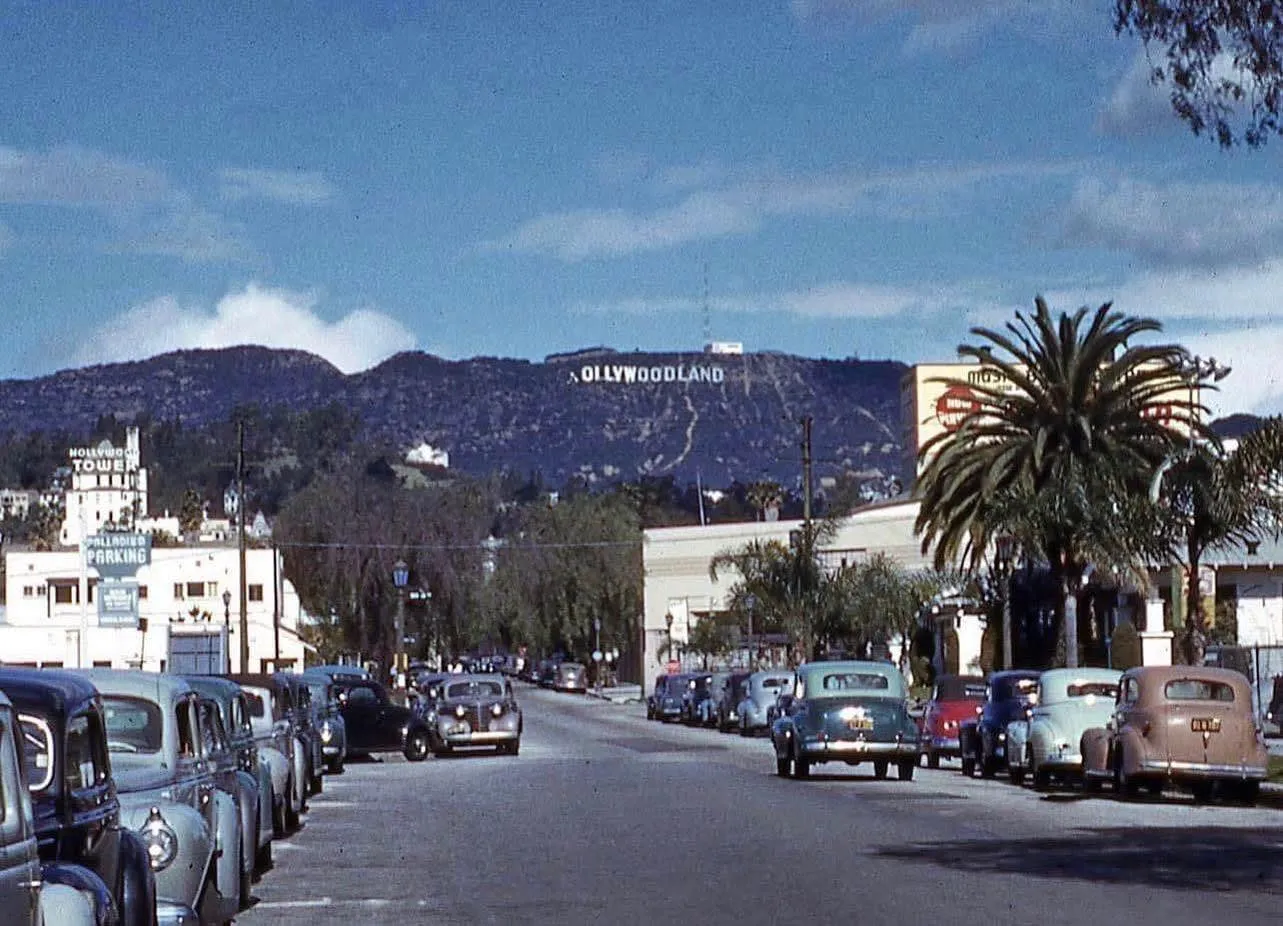
A short drive from downtown, Hollywood transformed from a quiet suburb into the beating heart of the global film industry in the early 20th century. The studio system created not only movies but entire neighborhoods shaped by talent, craft, and celebrity. The bus passes famous studio lots, historic theaters, and streets where stars once lived and worked—each stop a chapter in the story of how Los Angeles exported its imagination around the globe.
Walking tours from Hollywood stops often point out the tiny details that tell bigger stories: a vintage neon sign, a restored theater, or a modest bungalow once owned by a working actor. The bus gives you a broad sense of place; hopping off lets you follow the threads—film history, architecture, and commerce— that made Hollywood an industry and an icon.
Beaches, bohemia & counterculture
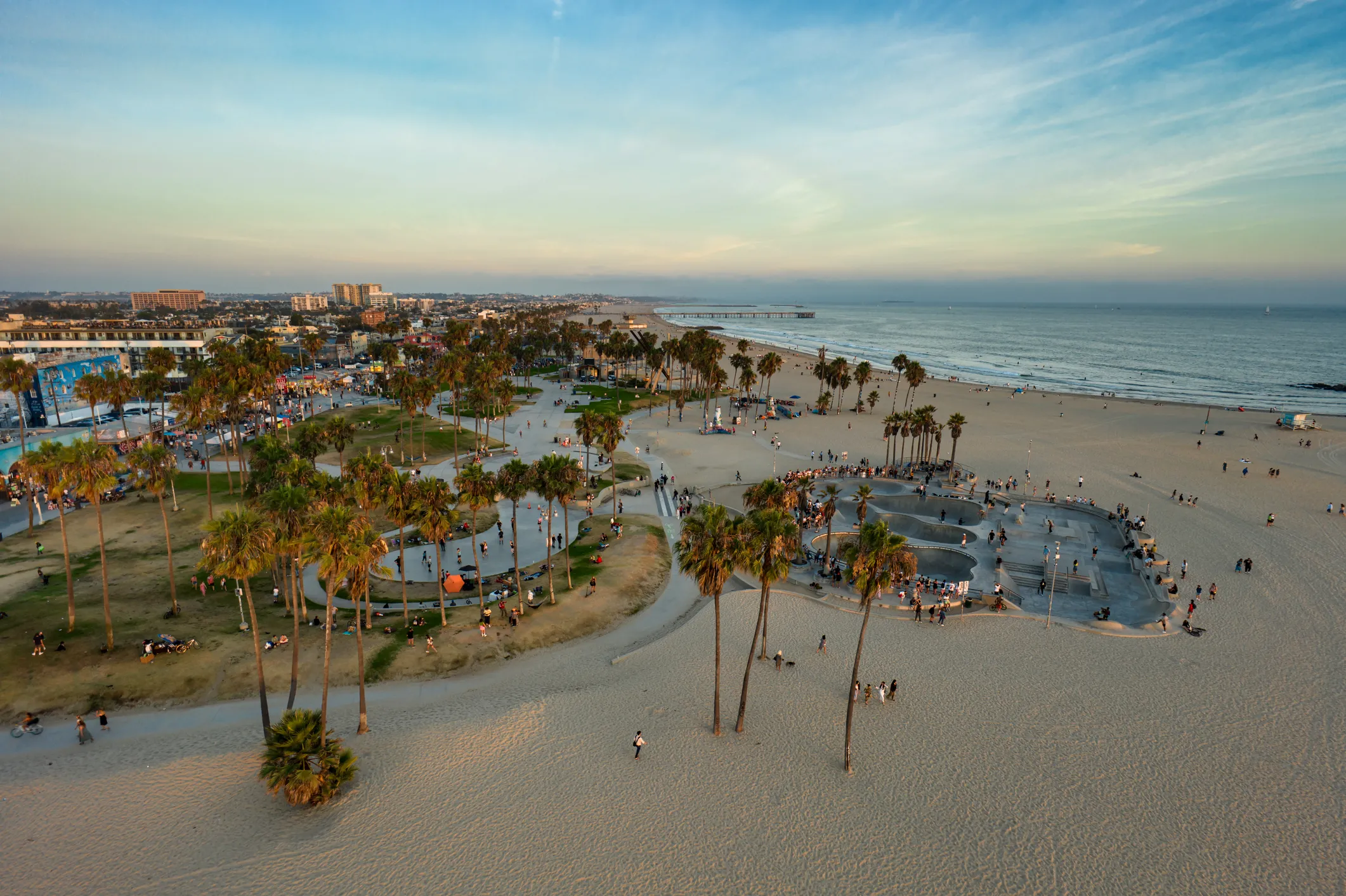
Santa Monica and Venice have long been L.A.’s coastlines of reinvention: Santa Monica’s historic pier and family attractions contrast with Venice’s artistic boardwalk, canals, and experimental spirit. Artists, musicians, and surfers gravitated to these shores throughout the 20th century, making the beachfronts hubs of creativity and rebellion.
From the bus, you can feel the different tempos: the measured family pace at the pier, the freewheeling performances in Venice, and quiet ocean views just a short walk away. Hop off for people‑watching, sunset rides, or a bike trip along the Marvin Braude Bike Trail to get closer to the Pacific rhythm.
Downtown reinvention & cultural institutions
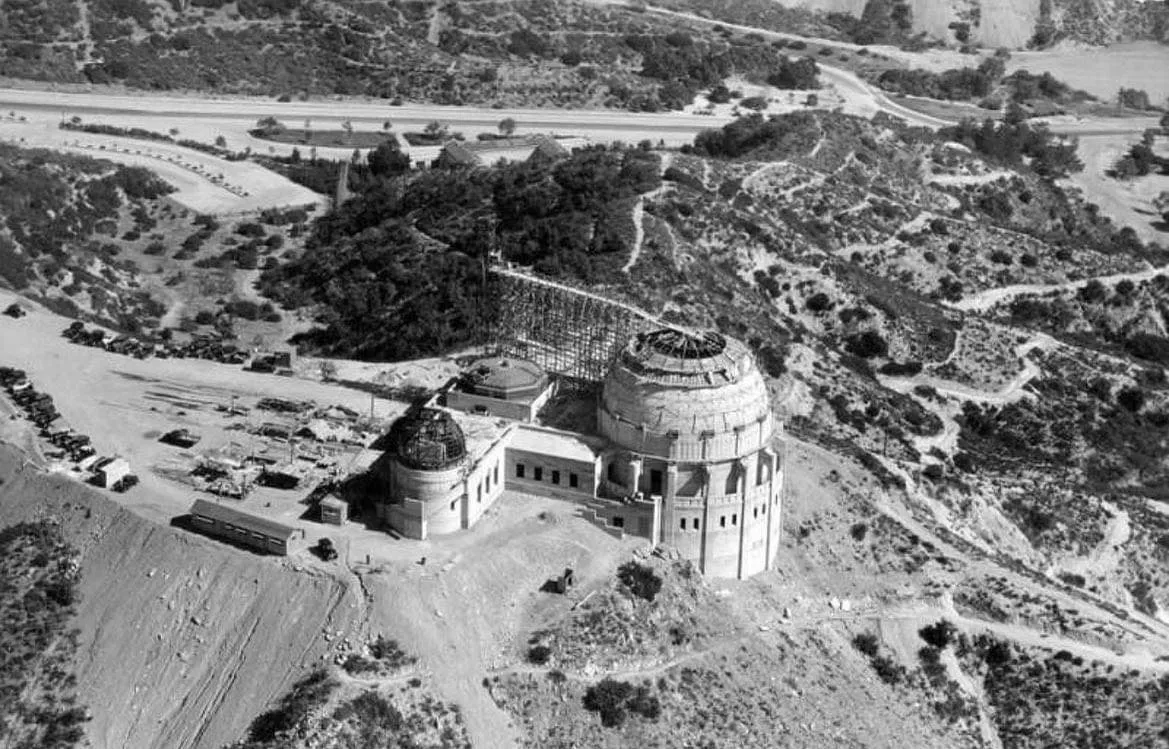
Downtown Los Angeles is a story of cycles: from early 20th‑century commercial heart to mid‑century decline and a 21st‑century renaissance of arts, lofts, and cultural investment. The bus links the historic core—Olvera Street and Union Station—with new anchors like the Broad, Walt Disney Concert Hall, and the Arts District’s murals.
Hopping off here reveals micro‑neighborhoods: lively markets, experimental galleries, and rooftops with skyline views. The area’s reinvention shows how cities can repurpose industrial spaces into cultural engines, and a single day on the bus can take you from historic plazas to contemporary installations.
The car city & freeway culture
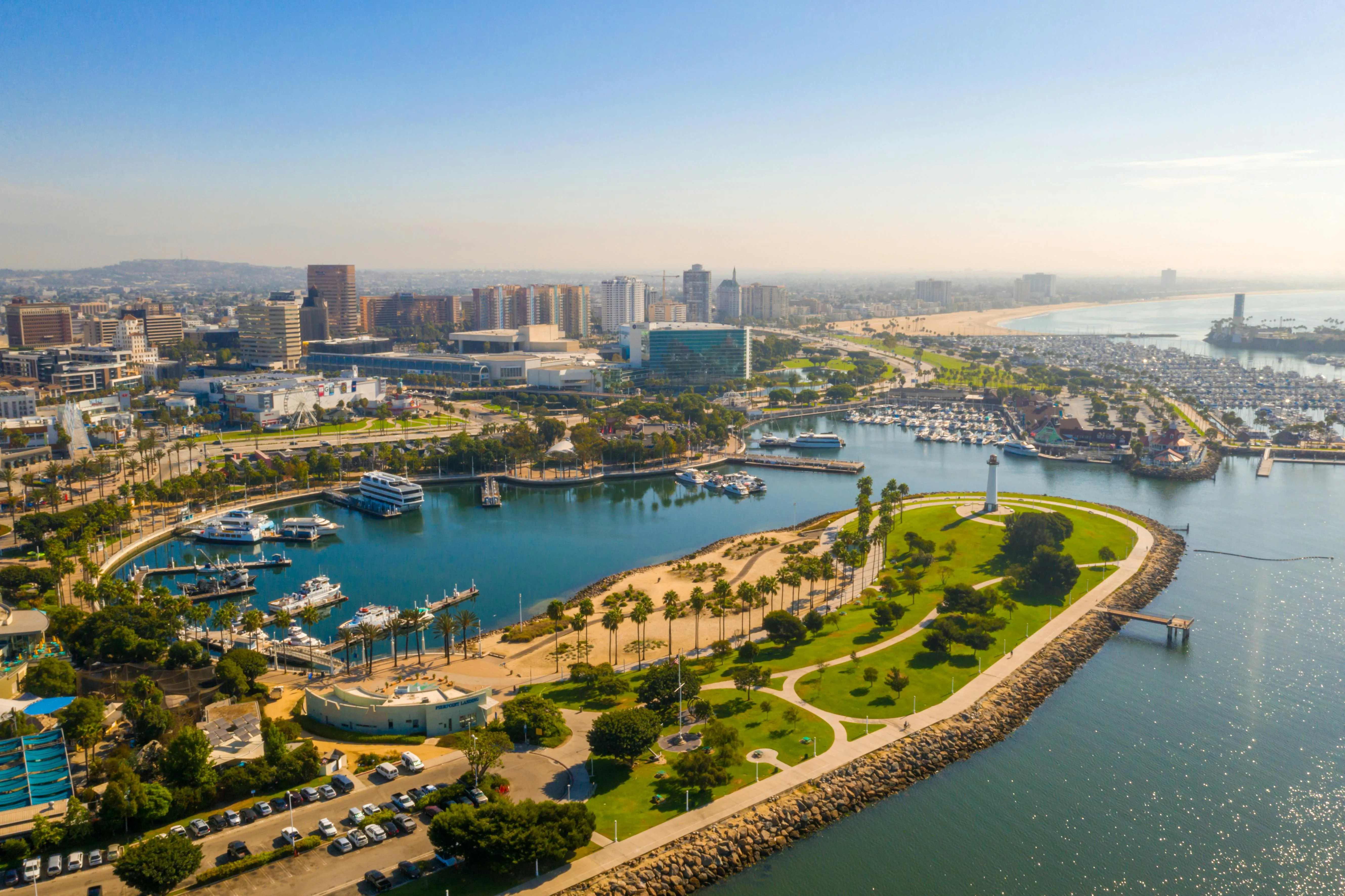
Los Angeles’ physical layout and culture grew around the automobile. Freeways stitched distant valleys and beaches to downtown, shaping commuting, land use, and the pace of life. The hop‑on hop‑off bus navigates this sprawl, offering a way to sample neighborhoods without needing to drive and search for parking at every stop.
Onboard commentary often explains how highways and development influenced architecture, housing, and the city’s dramatic skyline changes. The bus lets you see how neighborhoods transform across short distances, from residential hills to commercial boulevards.
Immigrant neighborhoods & culinary scenes
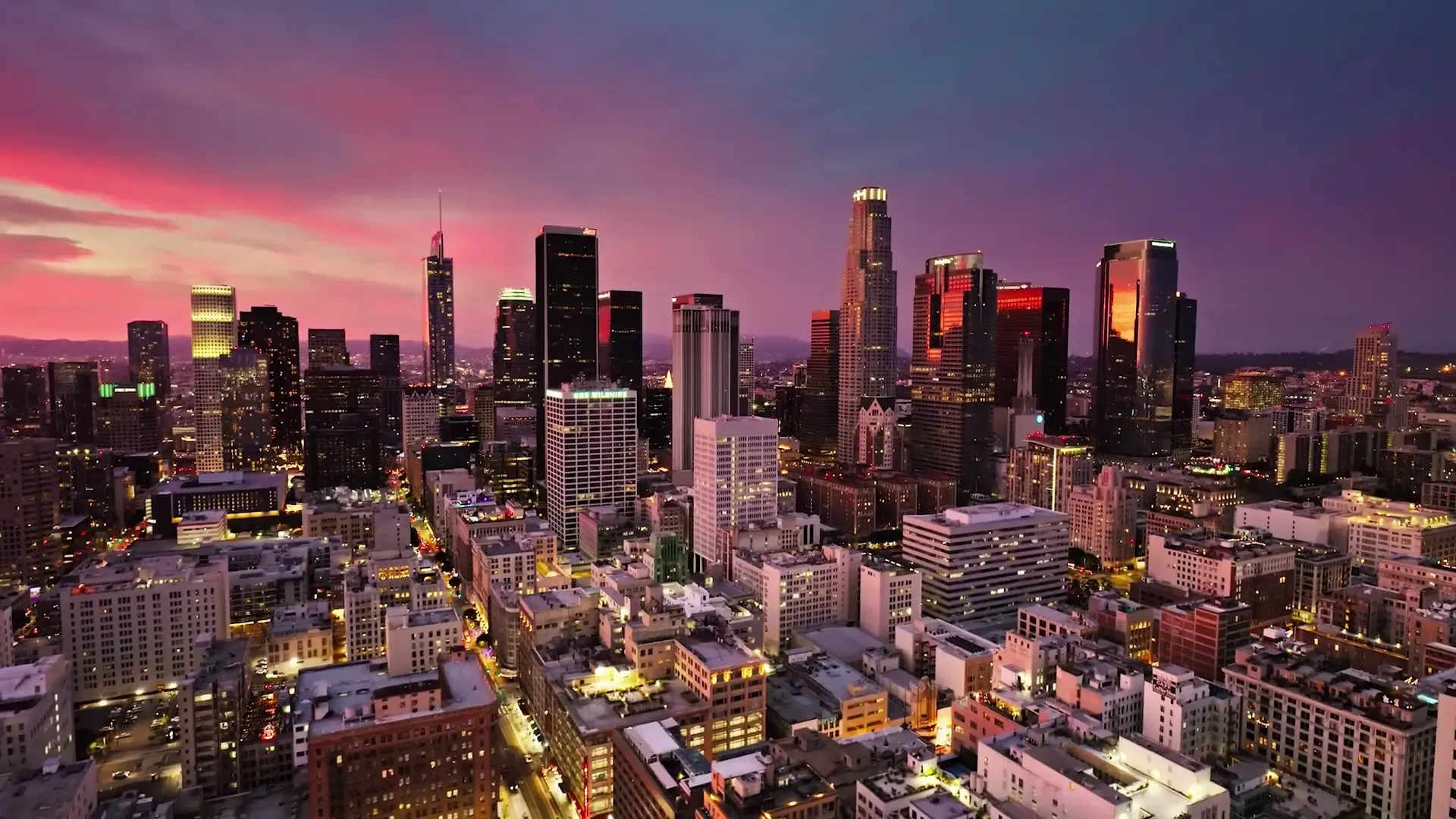
Los Angeles is a global city because people from all over the world made it home. Neighborhoods such as Koreatown, Boyle Heights, Thai Town, and Little Tokyo are centers of cultural expression and culinary innovation—each with dishes and festivals that tell immigrant stories.
Use the bus as a tasting map: hop off for a family‑run taco shop, a beloved noodle house, or a bakery with decades of local history. These stops offer delicious context; they’re where the city’s past and present meet around food, music, and community life.
Public art, murals & the street as gallery

From the Arts District murals to neighborhood mosaics, public art is everywhere in L.A. Walking routes off the bus reveal creative interventions—murals that remember communities, sculptures that punctuate plazas, and street art that marks cultural shifts.
Spotting this public art from the upper deck is a treat, but hopping off lets you linger, photograph, and learn the stories behind the artists and the neighborhoods that host them.
Film locations, music history & pop culture
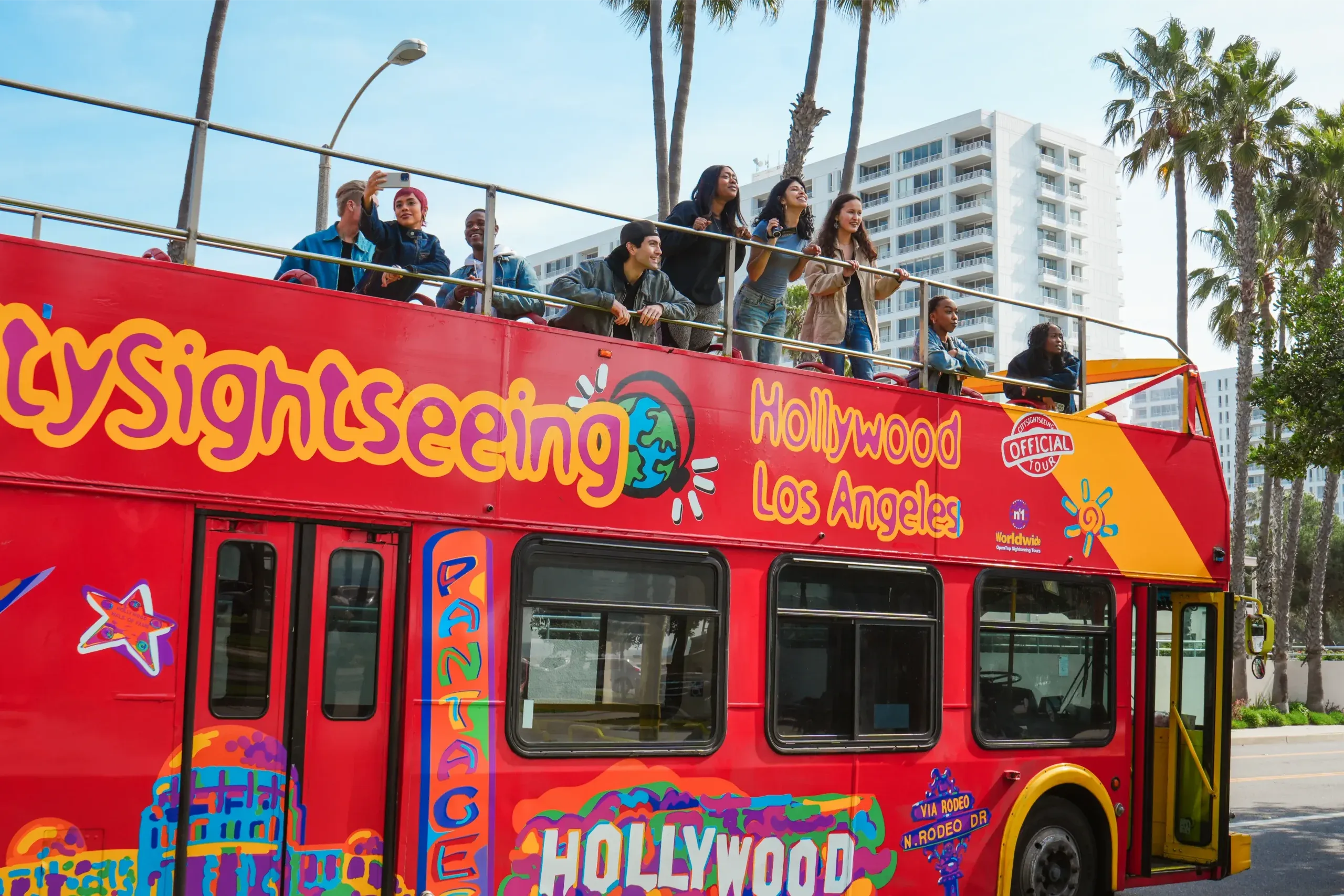
Los Angeles shaped global entertainment: from classic studio films to modern TV and music scenes. The bus points out filming locations, legendary venues, and neighborhoods where musicians and directors lived and worked. Even when there’s a shoot nearby, the city wears its cinematic history proudly.
If you’re lucky, a route change might pass a live shoot or a street performance. These spontaneous moments capture L.A.’s creative energy and make a bus day feel like part city tour, part behind‑the‑scenes pass.
Festivals, parades & community rituals
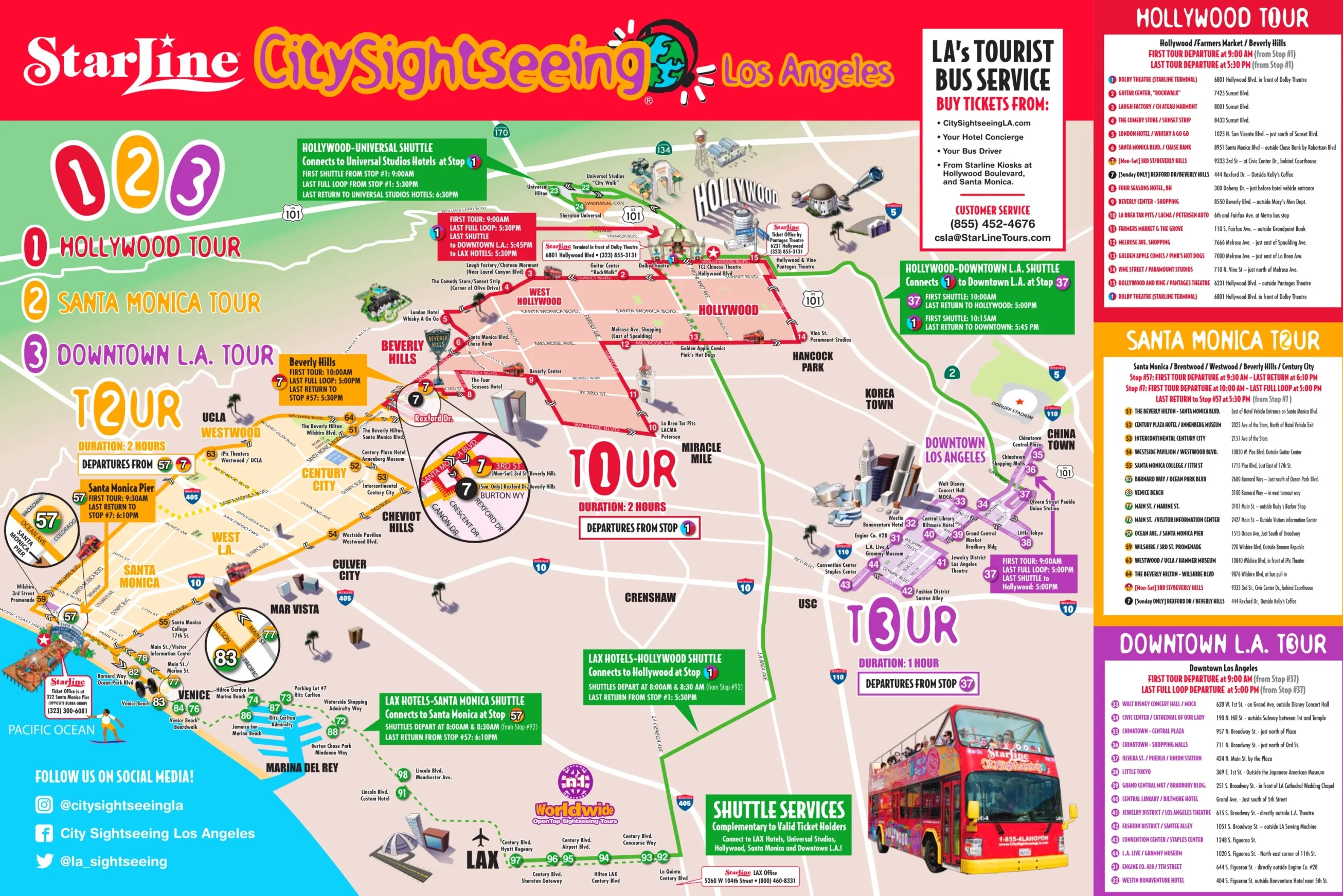
L.A.’s calendar is full of neighborhood festivals, film premieres, cultural parades, and food fairs. The bus often routes past festival sites, and hopping off can let you join a local celebration—music, food, and tradition all on display.
Even non‑festival days reveal local rituals: street markets, Sunday gatherings, and community arts projects that animate sidewalks and plazas. These are the moments that make a city feel lived in rather than exhibited.
Using the bus to plan smart days
Because L.A. covers a large area, plan with purpose: group stops by neighborhood or theme (film history, beaches, museums) so you don’t waste time zigzagging across town. Combine a morning museum visit with an afternoon beach stop, for example, and use the bus to bridge the distance.
If you only have a day, pick two or three clusters to explore thoroughly rather than trying to tick off too many items. The bus gives you flexibility—use it to move between neighborhoods when you’re ready to switch scenes.
Preserving character amid growth
As Los Angeles grows, neighborhoods balance new development with historic character. Preservation efforts protect theaters, mission buildings, and historic districts while new projects bring housing and services. The bus lets you witness this evolution in real time as you pass restored façades and fresh construction sites.
Supporting local businesses and cultural institutions helps maintain the city’s diverse character—hop off in smaller neighborhoods to shop, eat, and contribute to the local economy in meaningful ways.
Coastal escapes & scenic viewpoints
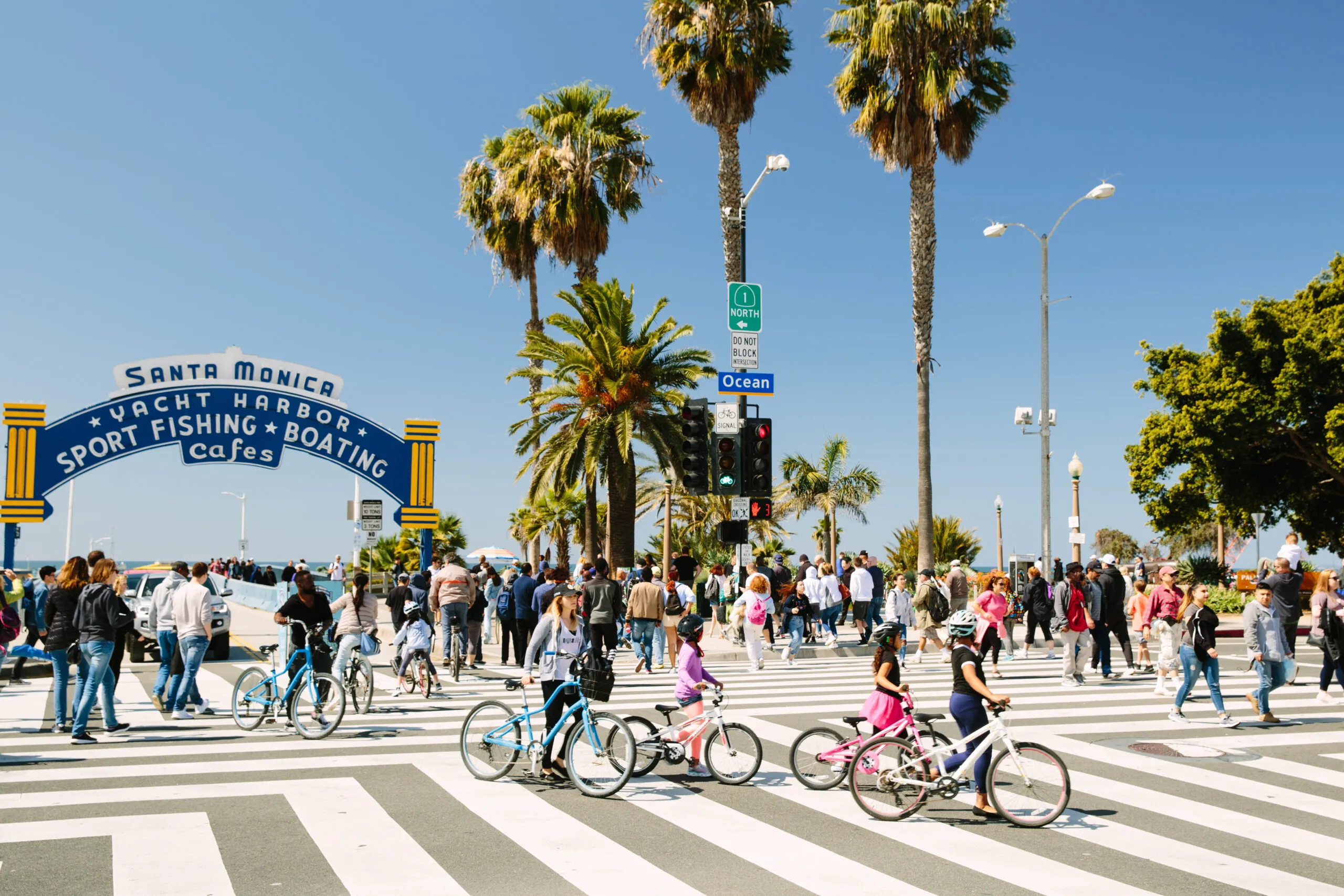
From Santa Monica Pier to point‑view bluffs, the city’s coastline is full of easy escapes. The bus connects beachside attractions to inland cultural stops, so you can swap a gallery visit for a sunset on the sand in a single afternoon.
On clear days, coastal vistas stretch for miles; at sunset, the interplay of light and ocean makes a simple stop feel cinematic. Combine a bus loop with a short walk to a scenic overlook and you’ll get a postcard‑ready memory.
Why a bus ride reveals L.A.’s layers
Los Angeles is often misunderstood as simply a sprawling sprawl; from a hop‑on hop‑off bus, its complexity becomes clear—neighborhoods layered with history, distinct cultural enclaves, and surprise green spaces between the boulevards.
By day’s end, the city’s story comes together not in a single monument but in moments: a mural seen between stops, a snack from a beloved local shop, and a sunset on a pier. The bus ties those moments into a coherent, memorable route.
Table of Contents
Indigenous beginnings and the Rancho era
Long before Hollywood signs and palm‑lined boulevards, the region now called Los Angeles was home to the Tongva, Tataviam, and Chumash peoples. Their villages and stewardship of rivers, springs, and coastal resources anchored communities for thousands of years. Spanish colonization in the late 18th century introduced missions and ranchos—vast cattle ranches whose place names and land parcels still shape the map of the modern city.
The hop‑on hop‑off route travels through landscapes that were once grazing lands and citrus groves, where ranching, agriculture, and the arrival of the railroad in the 19th century set the stage for rapid growth. Each neighborhood carries traces of these early economies—old adobe foundations, citrus packing houses, and street names that hint at the era when the land was parceled and sold to visionaries, settlers, and later, film entrepreneurs.
Hollywood’s rise and the studio system
A short drive from downtown, Hollywood transformed from a quiet suburb into the beating heart of the global film industry in the early 20th century. The studio system created not only movies but entire neighborhoods shaped by talent, craft, and celebrity. The bus passes famous studio lots, historic theaters, and streets where stars once lived and worked—each stop a chapter in the story of how Los Angeles exported its imagination around the globe.
Walking tours from Hollywood stops often point out the tiny details that tell bigger stories: a vintage neon sign, a restored theater, or a modest bungalow once owned by a working actor. The bus gives you a broad sense of place; hopping off lets you follow the threads—film history, architecture, and commerce— that made Hollywood an industry and an icon.
Beaches, bohemia & counterculture
Santa Monica and Venice have long been L.A.’s coastlines of reinvention: Santa Monica’s historic pier and family attractions contrast with Venice’s artistic boardwalk, canals, and experimental spirit. Artists, musicians, and surfers gravitated to these shores throughout the 20th century, making the beachfronts hubs of creativity and rebellion.
From the bus, you can feel the different tempos: the measured family pace at the pier, the freewheeling performances in Venice, and quiet ocean views just a short walk away. Hop off for people‑watching, sunset rides, or a bike trip along the Marvin Braude Bike Trail to get closer to the Pacific rhythm.
Downtown reinvention & cultural institutions
Downtown Los Angeles is a story of cycles: from early 20th‑century commercial heart to mid‑century decline and a 21st‑century renaissance of arts, lofts, and cultural investment. The bus links the historic core—Olvera Street and Union Station—with new anchors like the Broad, Walt Disney Concert Hall, and the Arts District’s murals.
Hopping off here reveals micro‑neighborhoods: lively markets, experimental galleries, and rooftops with skyline views. The area’s reinvention shows how cities can repurpose industrial spaces into cultural engines, and a single day on the bus can take you from historic plazas to contemporary installations.
The car city & freeway culture
Los Angeles’ physical layout and culture grew around the automobile. Freeways stitched distant valleys and beaches to downtown, shaping commuting, land use, and the pace of life. The hop‑on hop‑off bus navigates this sprawl, offering a way to sample neighborhoods without needing to drive and search for parking at every stop.
Onboard commentary often explains how highways and development influenced architecture, housing, and the city’s dramatic skyline changes. The bus lets you see how neighborhoods transform across short distances, from residential hills to commercial boulevards.
Immigrant neighborhoods & culinary scenes
Los Angeles is a global city because people from all over the world made it home. Neighborhoods such as Koreatown, Boyle Heights, Thai Town, and Little Tokyo are centers of cultural expression and culinary innovation—each with dishes and festivals that tell immigrant stories.
Use the bus as a tasting map: hop off for a family‑run taco shop, a beloved noodle house, or a bakery with decades of local history. These stops offer delicious context; they’re where the city’s past and present meet around food, music, and community life.
Public art, murals & the street as gallery
From the Arts District murals to neighborhood mosaics, public art is everywhere in L.A. Walking routes off the bus reveal creative interventions—murals that remember communities, sculptures that punctuate plazas, and street art that marks cultural shifts.
Spotting this public art from the upper deck is a treat, but hopping off lets you linger, photograph, and learn the stories behind the artists and the neighborhoods that host them.
Film locations, music history & pop culture
Los Angeles shaped global entertainment: from classic studio films to modern TV and music scenes. The bus points out filming locations, legendary venues, and neighborhoods where musicians and directors lived and worked. Even when there’s a shoot nearby, the city wears its cinematic history proudly.
If you’re lucky, a route change might pass a live shoot or a street performance. These spontaneous moments capture L.A.’s creative energy and make a bus day feel like part city tour, part behind‑the‑scenes pass.
Festivals, parades & community rituals
L.A.’s calendar is full of neighborhood festivals, film premieres, cultural parades, and food fairs. The bus often routes past festival sites, and hopping off can let you join a local celebration—music, food, and tradition all on display.
Even non‑festival days reveal local rituals: street markets, Sunday gatherings, and community arts projects that animate sidewalks and plazas. These are the moments that make a city feel lived in rather than exhibited.
Using the bus to plan smart days
Because L.A. covers a large area, plan with purpose: group stops by neighborhood or theme (film history, beaches, museums) so you don’t waste time zigzagging across town. Combine a morning museum visit with an afternoon beach stop, for example, and use the bus to bridge the distance.
If you only have a day, pick two or three clusters to explore thoroughly rather than trying to tick off too many items. The bus gives you flexibility—use it to move between neighborhoods when you’re ready to switch scenes.
Preserving character amid growth
As Los Angeles grows, neighborhoods balance new development with historic character. Preservation efforts protect theaters, mission buildings, and historic districts while new projects bring housing and services. The bus lets you witness this evolution in real time as you pass restored façades and fresh construction sites.
Supporting local businesses and cultural institutions helps maintain the city’s diverse character—hop off in smaller neighborhoods to shop, eat, and contribute to the local economy in meaningful ways.
Coastal escapes & scenic viewpoints
From Santa Monica Pier to point‑view bluffs, the city’s coastline is full of easy escapes. The bus connects beachside attractions to inland cultural stops, so you can swap a gallery visit for a sunset on the sand in a single afternoon.
On clear days, coastal vistas stretch for miles; at sunset, the interplay of light and ocean makes a simple stop feel cinematic. Combine a bus loop with a short walk to a scenic overlook and you’ll get a postcard‑ready memory.
Why a bus ride reveals L.A.’s layers
Los Angeles is often misunderstood as simply a sprawling sprawl; from a hop‑on hop‑off bus, its complexity becomes clear—neighborhoods layered with history, distinct cultural enclaves, and surprise green spaces between the boulevards.
By day’s end, the city’s story comes together not in a single monument but in moments: a mural seen between stops, a snack from a beloved local shop, and a sunset on a pier. The bus ties those moments into a coherent, memorable route.